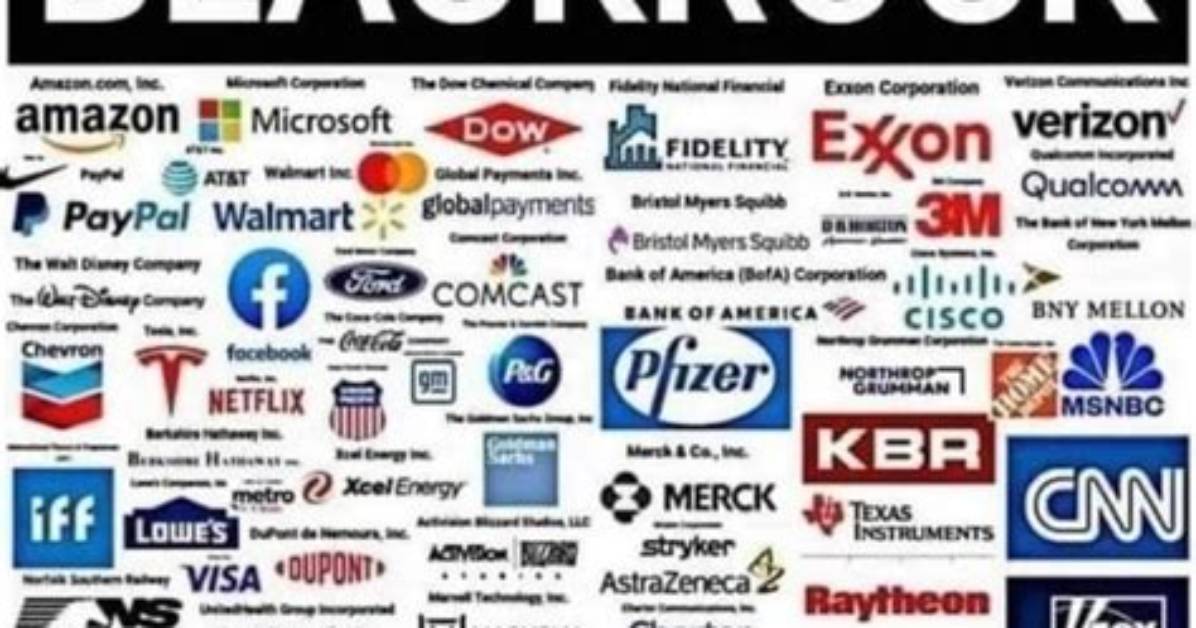
When delving into the world of finance and investment management, few names stand out quite like BlackRock. As one of the largest asset management firms globally, BlackRock has a significant influence on the financial markets and the economy at large. Understanding who owns BlackRock is crucial for anyone looking to grasp the intricacies of this powerful organization. This article will explore the ownership structure of BlackRock, its key stakeholders, and the implications of its ownership on the investment landscape.
The story of BlackRock began in 1988 when it was founded by Larry Fink and a group of partners. Since then, it has grown exponentially, managing trillions of dollars in assets for clients ranging from governments to individual investors. The company's sheer size and scope make it a critical player in the global financial system, and its ownership is not only a matter of corporate governance but also a reflection of broader economic trends. By examining who owns BlackRock, we can gain insights into its operations, decision-making processes, and the potential impact of its strategies on various markets.
As we navigate the complex landscape of BlackRock's ownership, we will answer some fundamental questions that arise regarding its stakeholders. Who are the key players behind this powerhouse? How does their influence shape the company's direction? And what does it mean for investors and the broader financial ecosystem? Join us as we uncover the layers of ownership that define one of the most powerful firms in the world.
Who Are the Founders of BlackRock?
Understanding the beginnings of BlackRock provides context for its ownership. The company was founded by:
- Larry Fink
- Robert S. Kapito
- Susan Wagner
- Ben Golub
- Barbara Novick
These individuals brought their expertise in finance and investment to create a firm that has become synonymous with asset management and investment solutions.
What Is BlackRock's Corporate Structure?
BlackRock operates as a publicly traded company, which means its ownership is distributed among shareholders. The corporate structure can be broken down into several key components:
- Publicly Traded Shares: BlackRock is listed on the New York Stock Exchange under the ticker symbol BLK.
- Institutional Investors: A significant portion of BlackRock's shares is owned by institutional investors, including pension funds, insurance companies, and mutual funds.
- Individual Shareholders: Retail investors can also own shares in BlackRock, although they represent a smaller percentage compared to institutional investors.
- Company Executives: Top executives and board members often hold substantial shares, aligning their interests with the company's performance.
Who Owns BlackRock Company Currently?
The ownership of BlackRock is diverse, with several key stakeholders significantly influencing the company's operations. As of the latest reports, the following entities hold substantial stakes:
- The Vanguard Group: One of the largest asset management firms globally, Vanguard is a significant shareholder in BlackRock.
- BlackRock's Executives: Larry Fink, Robert Kapito, and other executives own significant shares, ensuring their commitment to the company's success.
- State Street Corporation: Another substantial institutional investor that holds a significant number of shares in BlackRock.
How Does BlackRock's Ownership Structure Affect Its Operations?
The ownership structure of BlackRock plays a vital role in its operational strategies. The influence of large institutional shareholders, such as Vanguard and State Street, can lead to a focus on long-term performance and sustainability. These stakeholders often prioritize responsible investing and corporate governance, impacting BlackRock's investment choices.
What Role Do Institutional Investors Play in BlackRock's Ownership?
Institutional investors are critical players in BlackRock's ownership landscape. They contribute to the company's capital and often have significant sway over its direction. Here’s how they impact BlackRock:
- Voting Power: Institutional investors have substantial voting power in shareholder meetings, allowing them to influence key decisions.
- Long-Term Strategies: These investors typically favor long-term growth, which can shape BlackRock's investment strategies and risk management.
- Focus on ESG: Many institutional investors prioritize Environmental, Social, and Governance (ESG) factors, pushing BlackRock to integrate these principles into its investment philosophy.
Are There Any Major Changes in BlackRock's Ownership Recently?
As a publicly traded company, BlackRock's ownership can change frequently due to stock market transactions. Recent trends indicate:
- Increased investment from ESG-focused funds.
- A gradual shift in share ownership towards more passive investment strategies.
- Consolidation among institutional investors, leading to a concentration of ownership among fewer entities.

