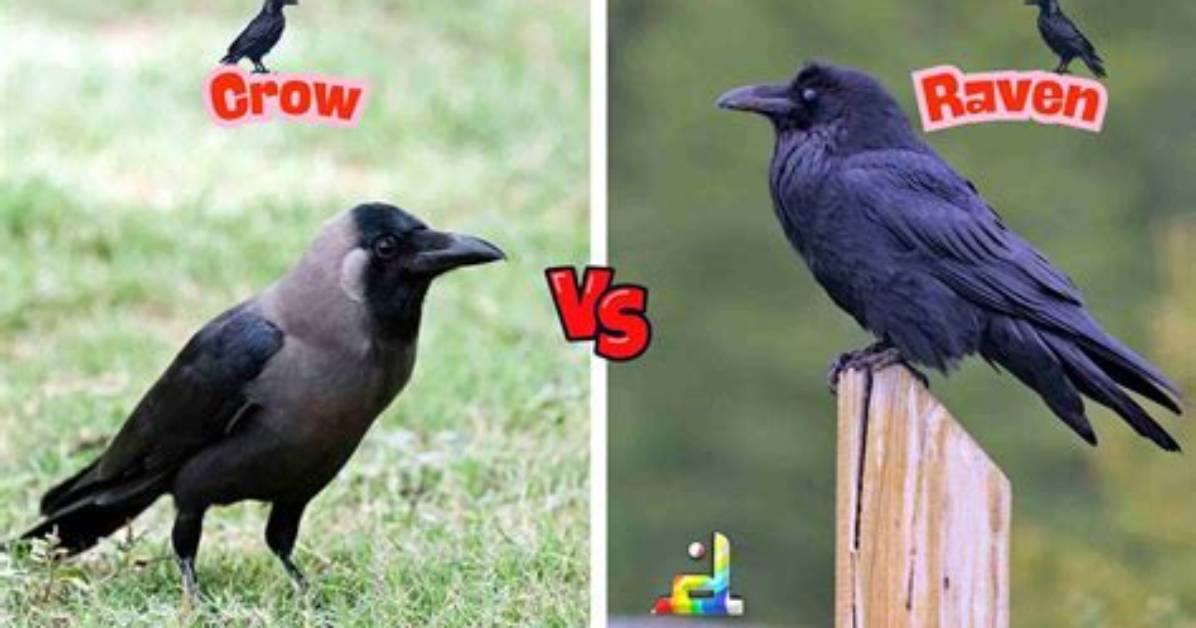
The world of birds is vast and varied, filled with fascinating creatures that capture our imagination and curiosity. Among them, crows and ravens are two of the most commonly encountered, yet often confused, species. While both belong to the Corvidae family and share similar traits, understanding the nuances that differentiate them can enhance your appreciation of these intelligent birds. In this article, we will explore the various aspects that set crows and ravens apart, from their physical characteristics to their behaviors and habitats.
Both crows and ravens have carved out a significant place in human culture, often represented in folklore, literature, and art. Their dark plumage and eerie calls evoke a sense of mystery, making them subjects of fascination and fear alike. However, recognizing the differences between a crow and a raven is not just an exercise in ornithology; it also enriches our understanding of nature and its inhabitants.
In the following sections, we will delve into the defining features of crows and ravens, answer common questions regarding their habitats and behaviors, and provide a comprehensive comparison that will help you distinguish between these enigmatic birds. Whether you are a birdwatching enthusiast or simply someone intrigued by wildlife, this guide will serve as a valuable resource for identifying the difference between a crow and a raven.
What Are the Key Physical Differences Between Crows and Ravens?
When it comes to identifying crows and ravens, physical appearance plays a crucial role. Here are some notable differences:
- Size: Ravens are generally larger than crows, with an average wingspan of about 3.5 feet, while crows typically have a wingspan of around 2.5 feet.
- Beak Shape: Ravens possess a thicker, more curved beak compared to the straighter and sleeker beak of crows.
- Tail Shape: Ravens have a wedge-shaped tail, while crows have a fan-shaped tail. This can be particularly helpful in distinguishing the two during flight.
- Feather Texture: The feathers of ravens are often shaggier at the throat compared to the smoother appearance of a crow's feathers.
How Do Their Calls Differ?
The vocalizations of crows and ravens are distinct and can often be used as a means of identification. Here’s a breakdown:
- Crow Calls: Crows typically emit a series of sharp, cawing sounds. Their calls are often described as "caw-caw-caw."
- Raven Calls: Ravens have a deeper, more resonant croaking sound. They can make a variety of noises, including gurgling and even imitations of other sounds.
Where Do Crows and Ravens Live?
Understanding the habitats of crows and ravens can also shed light on their differences. Here are some key points:
- Crows: Crows are highly adaptable and can thrive in urban, suburban, and rural environments. They are often found in parks, fields, and along roadsides.
- Ravens: Ravens prefer wilder habitats, often residing in forests, mountains, and open country. They are less commonly found in urban areas compared to crows.
Are Their Behaviors Different?
Behaviorally, crows and ravens exhibit some variations. Here are a few differences:
- Social Structure: Crows are more social and often seen in larger groups, while ravens are more solitary or found in pairs.
- Problem Solving: Both birds are intelligent, but ravens have demonstrated advanced problem-solving abilities, often outsmarting crows in experimental settings.

