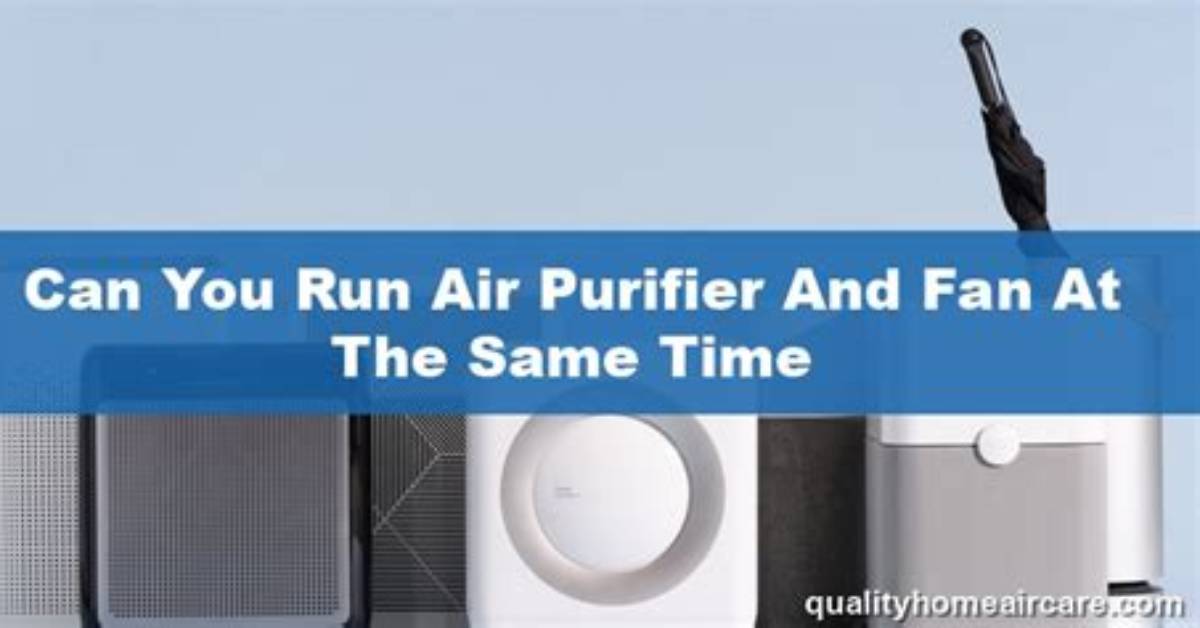
At first glance, air purifiers and essential oil diffusers seem like they would be natural opponents. One is designed to take particles from the air in your home, and the other is designed to add (pleasant-smelling) particles instead. If you’re running them both in the same room, it’s understandable to wonder if they’re canceling each other out.
Fortunately, it’s easy to clear this confusion up. Let’s take a look at some FAQs about these two home air devices and what you should know about using them both at the same time.
What’s the difference between an air purifier and an air diffuser?
An air purifier uses a filter or series of filters to remove unwanted particles from your home’s air. They are commonly used to get rid of airborne allergens, smoke, and dust, and they can also help remove bacteria and viruses from the air. The best air purifiers use true HEPA filters that can remove particles down to the size of 0.3 microns, and some newer models can remove particles as small as 0.1 microns.
A diffuser, on the other hand, adds scented oil particles to the air to give a room a pleasant smell or cover up unwanted odors. A diffuser has a container of water that is mixed with a few drops of essential oil. It then atomizes the water and sends it drifting out into the air. Smart versions can even be controlled by voice or app for on-demand use.
Can I use an air purifier and diffuser at the same time?
That depends on what kind of air purifier you have. Many air purifiers include charcoal or activated carbon filter layers. These types of filters are specifically designed to remove odors from the air. If your air purifiers has these filters, you shouldn’t use it in the same room as an air diffuser. Otherwise, just make sure the devices aren’t close together, and they should be fine working in unison.
If your air purifier’s main goal is to remove odors, then you might want to turn it off while running the diffuser. There’s no harm in using them both at once, but they might work against each other.

